
CostumeStage approaches stage costume as a sequence of practical decisions
The course begins with simple costume concepts rather than complicated garments. A character reference can be reduced to a readable silhouette, then tested through fabric samples, basic measurements, and small construction choices. This keeps the focus on how the costume should look, move, and function before decoration is added.
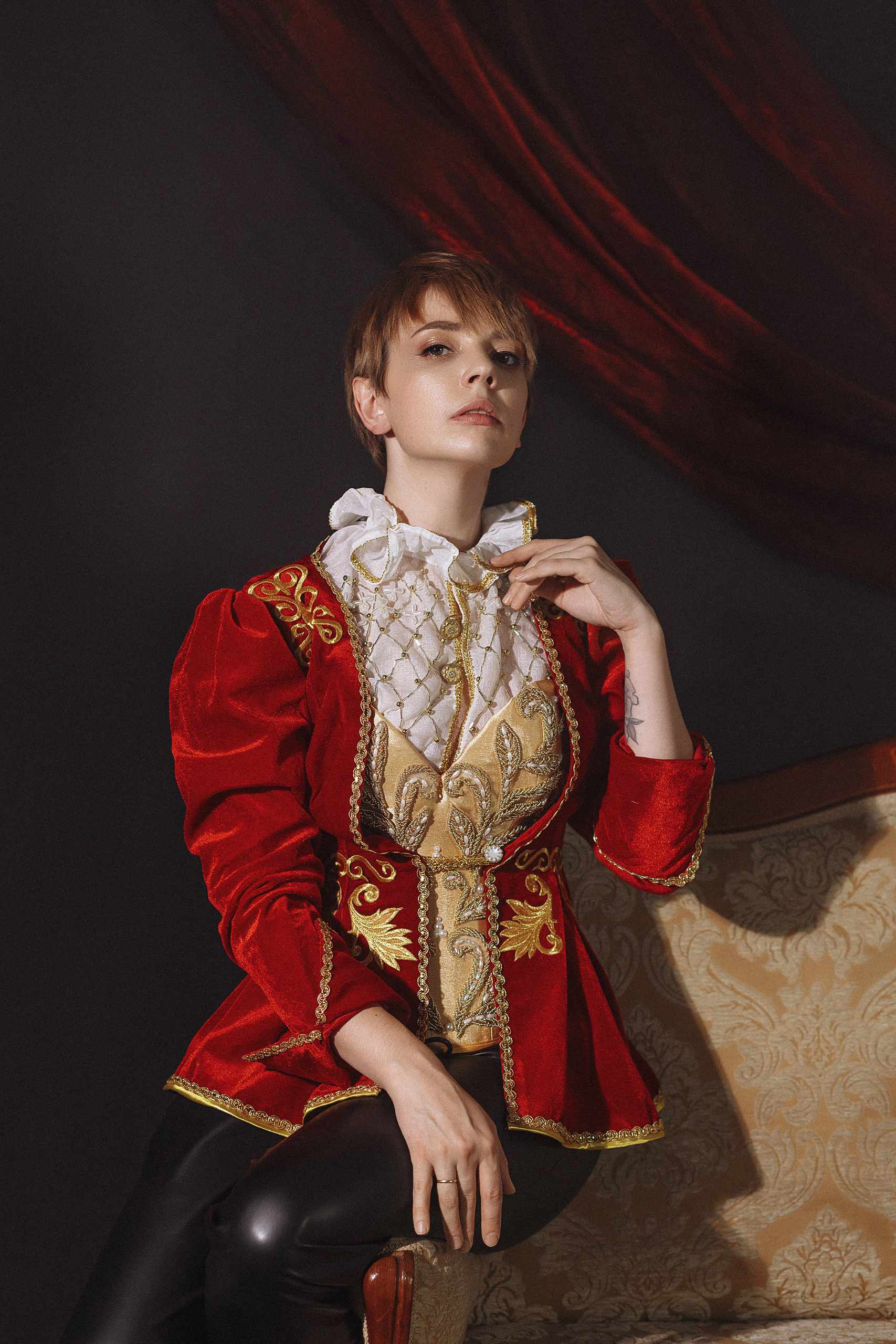
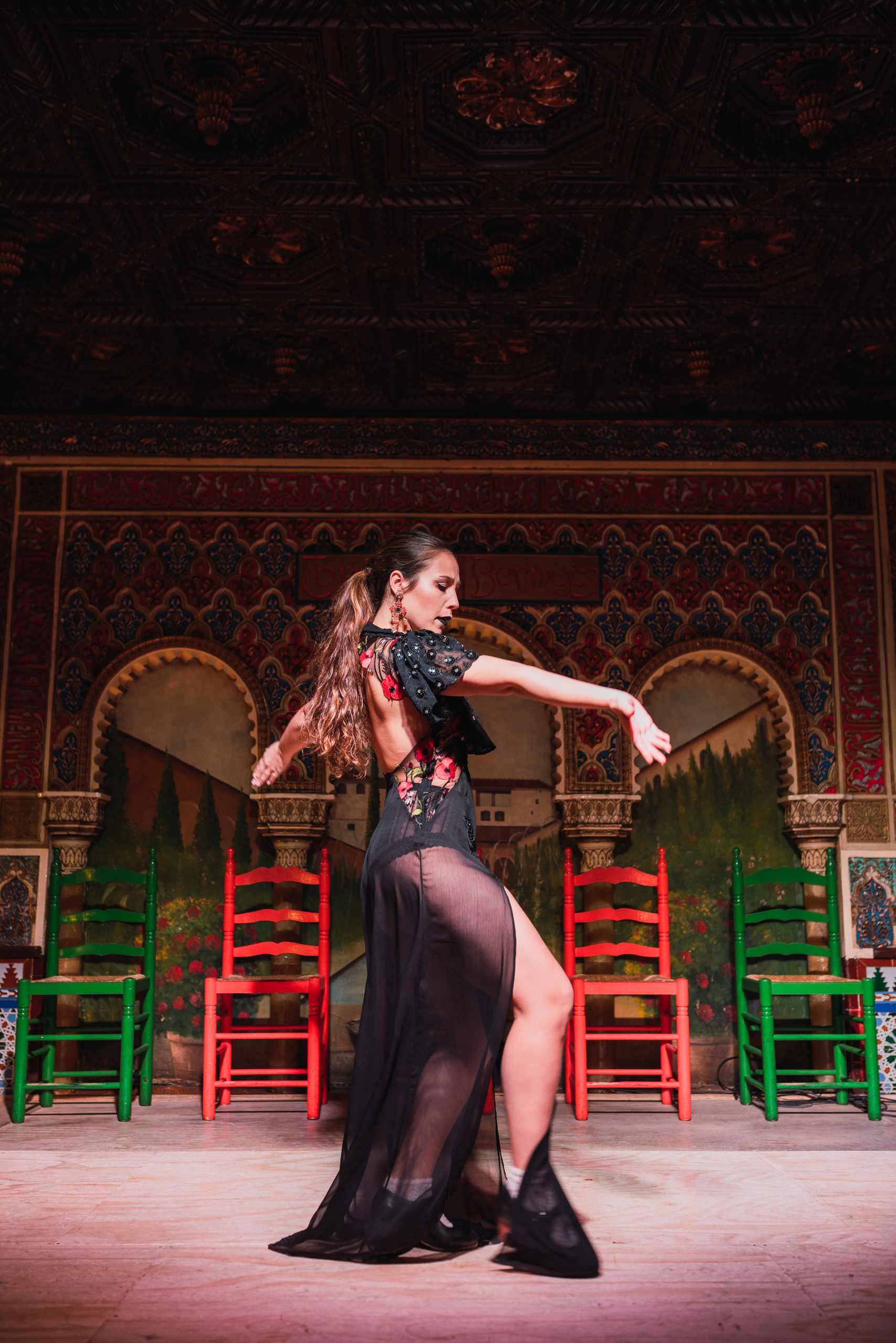
Materials are treated as part of the design process. Fabric drape, weight, grainline, stretch direction, lining, and interfacing can change both the appearance and wearability of a costume. Small sample seams, hems, and trim tests make it easier to understand those effects before cutting or permanently stitching the main piece.
Fitting continues after the garment is assembled. Walking, sitting, reaching, and simple performance poses can reveal problems that are easy to miss while standing still. By changing one area at a time, checking closures and stress points, and viewing the costume from stage distance, beginners can make more deliberate adjustments.
A costume develops through testing, fitting, movement, and careful finishing.
How Costume Practice Is Organized
FROM FIRST SKETCH TO FINAL CHECK
Four Habits Behind Better Costume Decisions
Sketch the Silhouette
A simple front-and-back costume sketch helps separate the main shape from later decoration and gives fabric, layering, and closure choices a clearer purpose.
Sample Before Cutting
Short seam, hem, and trim samples reveal how a fabric responds to stitching, pressing, weight, and handling before the main costume fabric is committed.
Move Before Finishing
Movement tests come before final decoration so pulling seams, restricted reach, unstable layers, or awkward fastening points can be corrected while changes are still manageable.
Inspect the Stress Points
Closures, armholes, waist seams, attachment areas, and weighted trims are checked for reinforcement so the finished piece is more practical to wear and handle.